Grey Light, Warm Bones: Furnishing a North-Facing Room Without Moving House

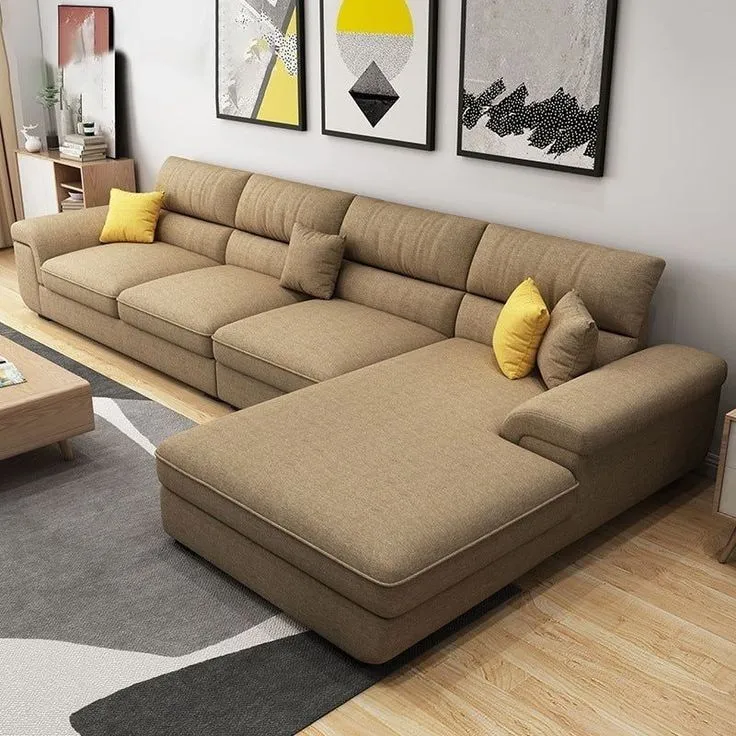
Photo: cosy north facing living room warm oak furniture boucle sofa brass lamp UK interior, via cdn.clothbase.com
There is a particular kind of British room that gets blamed for everything. The north-facing front room. The east-facing bedroom over the road. The box room that never quite sees the sun. Estate agents call it “soft light”. The rest of us call it grey, and then spend years wondering why the new sofa looks slightly sad.
The mistake is usually not the amount of light. It is the temperature of everything sitting inside it. North light is cool and indirect, so it flattens colour and makes cool-toned surfaces look steely. The answer is not to paint the whole room butter yellow and pretend you live in Provence. It is to give the room warm bones: woods with a bit of honey, fabrics with texture, lamps that glow rather than glare, and a few reflective touches placed with purpose.
Stop decorating for the sun you do not have
A north-facing room will never behave like a south-facing one, and that is fine. Instead of chasing brightness, aim for calm. The palette should feel like a well-worn wool jumper, not a fluorescent office.
Start with paint. Stark brilliant white can turn grey and chalky in cool light, and blue-toned greys often look colder on the wall than they did on the little card. Warm off-whites, mushroom, clay, soft stone and muted sage tend to hold their nerve. Test patches on more than one wall, because north light shifts across the day. Look at the patches in the morning, at dusk and under the room's actual lamps, not just under the ceiling light at 9pm.
Wood: go warm and mid-toned
Pale blond wood can be beautiful, but in a north-facing room it sometimes reads as washed out. Warm oak, walnut, teak and cherry bring a bit of colour without shouting. You do not need every piece to match. A mid-toned oak coffee table, a walnut sideboard and a painted lamp table can sit together happily as long as the undertones are friendly.
Avoid filling the room with very dark, heavy furniture unless you have plenty of lamplight to balance it. And where you can, choose pieces with visible legs or a bit of space underneath. Light bouncing under a sofa or cabinet makes the whole room feel less grounded in gloom.
Fabric: texture is doing the heavy lifting
Flat, smooth fabrics are not your friend in cool light. A plain grey linen sofa can look almost lifeless by 4pm in November. Texture gives the eye something to catch: bouclé, wool, tweed, corduroy, a tight velvet, a chunky weave.
Colour-wise, think oatmeal, camel, rust, moss, berry and warm stone rather than cool silver-grey. If you already own a grey sofa, you do not need to replace it. Warm it up with a wool throw, textured cushions, a rug with a warm undertone and a brass or bronze lamp. The grey becomes a neutral backdrop rather than the whole story.
Curtains matter more than people expect. A lined wool or linen mix in a warm neutral, hung high and wide, softens the window and stops the light feeling like it is bouncing off a bare box. A wool rug with a bit of pile also helps underfoot and makes the room feel less echoey.
Lighting: layer it, then layer it again
One ceiling light in a north-facing room is a recipe for a room that feels either flat or clinical. Build layers instead. A floor lamp in a corner, a table lamp on a sideboard, wall lights beside the sofa, a small lamp on a bookshelf. Warm, dimmable bulbs around 2700K will do more for the atmosphere than any paint colour.
Shades in linen, pleated paper or opaque glass soften the glow. Brass, bronze and aged metal warm things up; bright chrome can add to the chill. And mirrors are useful, but place them thoughtfully. A mirror opposite the window will bounce grey daylight around; a mirror positioned to catch a lamp will double the warm glow. The second is usually the better trick.
The living room recipe
For a north-facing living room, start with a sofa in oatmeal, camel, moss or a warm mid-grey if you already have one. Add a tan leather armchair or a woven accent chair for contrast. Choose a coffee table in warm oak or walnut, and keep the silhouette fairly light.
On the floor, a wool rug in a warm neutral or muted rust. On the walls, a warm off-white or clay. Add a brass floor lamp, a couple of textured cushions and a throw you actually want to touch. If you have a mantel, lean a mirror there and let a table lamp reflect in it. Frame art in warm wood or antique brass rather than thin black metal.
The bedroom recipe
Bedrooms can take a slightly softer version of the same palette. A headboard in oatmeal bouclé or warm linen, bedding in warm white, clay or a dusty pink, and a wool rug beside the bed. Bedside lamps are essential; a pair of small ceramic or brass lamps makes the room feel finished before the main light is even switched on.
If you need a wardrobe or chest of drawers, warm oak or a painted mushroom or sage works well. Avoid a wall of cool grey gloss. Add a mirror where it catches lamplight, and keep the curtains lined and generous. The aim is a room that feels restful at 7am even when the sky outside is the colour of a dishcloth.
A quick note on east-facing rooms
East light is warmer in the morning and cooler by late afternoon, so it can handle a similar palette with a little more freshness. A soft green or a lighter oak can work nicely here. North-facing rooms are the ones that need the most warmth, but the principle is the same: do not fight the light, give it something warm to land on.
Calm, not cold
The best north-facing rooms are not the ones that pretend to be sunny. They are the ones that feel settled. Warm woods, textured fabrics, a few pools of lamplight and a paint colour that does not turn to steel after lunch. Buy samples, live with them for a few days, and judge everything in the room's own light. Grey light does not have to mean a grey room.